


Delta 8

Delta-8 THC: Benefits, Risks, Side Effects, and Safety Information
Delta-8 THC is a naturally occurring cannabinoid found in cannabis plants that produces milder…
Learn more
You must be 21+ to enter this site
 FREE SHIPPING $89+
 FREE GIFT ON $120+
 100% FEDERALLY LEGAL
 LAB TESTED FOR PURITY
FREE SHIPPING $89+
FREE GIFT ON $120+
100% FEDERALLY LEGAL
LAB TESTED FOR PURITY
FREE SHIPPING $89+
FREE GIFT ON $120+
100% FEDERALLY LEGAL
LAB TESTED FOR PURITY
FREE SHIPPING $89+
FREE GIFT ON $120+
100% FEDERALLY LEGAL
LAB TESTED FOR PURITY
FREE SHIPPING $89+
FREE GIFT ON $120+
100% FEDERALLY LEGAL
LAB TESTED FOR PURITY
FREE SHIPPING $89+
FREE GIFT ON $120+
100% FEDERALLY LEGAL
LAB TESTED FOR PURITY
FREE SHIPPING $89+
FREE GIFT ON $120+
100% FEDERALLY LEGAL
LAB TESTED FOR PURITY
FREE SHIPPING $89+
FREE GIFT ON $120+
100% FEDERALLY LEGAL
LAB TESTED FOR PURITY
LAB TESTED FOR PURITY
FREE SHIPPING $89+
FREE GIFT ON $120+
100% FEDERALLY LEGAL
LAB TESTED FOR PURITY
FREE SHIPPING $89+
FREE GIFT ON $120+
100% FEDERALLY LEGAL
LAB TESTED FOR PURITY
FREE SHIPPING $89+
FREE GIFT ON $120+
100% FEDERALLY LEGAL
LAB TESTED FOR PURITY
FREE SHIPPING $89+
FREE GIFT ON $120+
100% FEDERALLY LEGAL
LAB TESTED FOR PURITY
FREE SHIPPING $89+
FREE GIFT ON $120+
100% FEDERALLY LEGAL
LAB TESTED FOR PURITY
FREE SHIPPING $89+
FREE GIFT ON $120+
100% FEDERALLY LEGAL
LAB TESTED FOR PURITY
FREE SHIPPING $89+
FREE GIFT ON $120+
100% FEDERALLY LEGAL
LAB TESTED FOR PURITY

Can Delta 8 Be Mixed with Other Cannabinoids
Curious about mixing Delta 8 with other cannabinoids? What are the potential benefits and risks of combining these compounds? We look into the world of Delta 8 and cannabinoids, including what they are, the types available, and the most common combinations.
Learn how can Delta 8 be mixed with other cannabinoids, from their impact on the endocannabinoid system to the potential benefits and risks.
Delta 8 is a chemical compound and a minor cannabinoid that interacts with the body’s endocannabinoid system by binding to receptors.
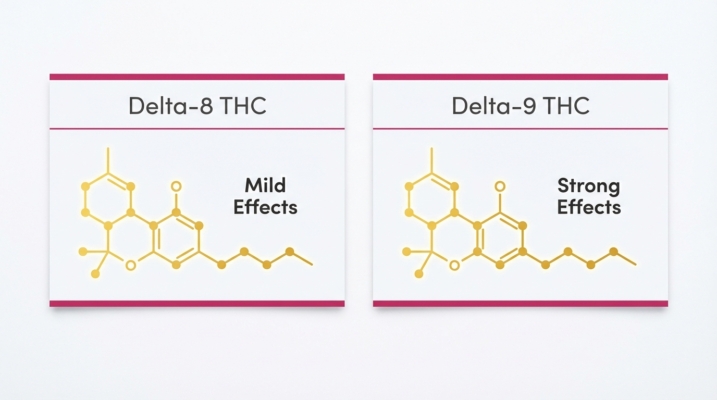
Its chemical structure is similar to that of Delta 9 THC but with a slight difference in the placement of a specific chemical bond. This variance leads to Delta 8’s unique effects when consumed. When Delta 8 binds to the CB1 receptors in the brain and nervous system, it produces a milder psychoactive high than Delta 9, appealing to those seeking a more gentle experience.
Cannabinoids are a class of chemical compounds that occur naturally in the cannabis plant and can also be produced synthetically in laboratories. These compounds interact with the body’s endocannabinoid system, offering various pharmacological effects.
The different types of cannabinoids include well-known compounds such as tetrahydrocannabinol (THC), cannabidiol (CBD), and tetrahydrocannabivarin (THCv). THCv, a lesser-known cannabinoid, is believed to have appetite-suppressing and potential anti-seizure properties.
Natural cannabinoids are derived directly from the cannabis plant, while synthetic cannabinoids are artificially created in a laboratory setting. Examples of natural cannabinoids include THC and CBD from the cannabis plant, whereas synthetic cannabinoids like Marinol are produced to mimic the effects of THC.
Yes, Delta-8-THC can be mixed with other cannabinoids. Combining Delta-8-THC with other cannabinoids is a common practice to potentially enhance the overall effects and benefits through what is known as the “entourage effect.” Here are a few points to consider when mixing Delta-8-THC with other cannabinoids:
The most common combinations of Delta 8 with other cannabinoids include Delta 8 and CBD, Delta 8 and THC, and several other pairings that offer unique effects and benefits.
Combining Delta 8 with CBD is a popular choice for those looking to alleviate stress while promoting relaxation.
Research has shown that the combination of Delta 8 and CBD can synergistically affect the endocannabinoid system, which plays a crucial role in regulating various physiological processes.
Studies suggest that when used together, Delta 8 and CBD can enhance each other’s therapeutic properties, leading to a more potent overall effect in managing stress.
Many users have reported that the combination of Delta 8 and CBD provides a more balanced and sustained relief from their symptoms compared to using them individually.
Combining Delta 8 with THC can enhance psychoactive effects, impacting mental state and consciousness.
When Delta 8 and THC are combined, this synergistic interaction can lead to increased euphoria, relaxation, and creativity in users. The combination affects the brain’s neurotransmitters, altering perception, mood, and sensory experiences.
It is essential to note that the intensified psychoactive effects may also pose risks, such as increased sedation, impaired cognitive function, and heightened paranoia in some individuals.
Combining Delta 8 with CBN is often used to promote sleep and relaxation due to CBN’s soothing properties.
CBN, a lesser-known cannabinoid compared to THC and CBD, has shown promise in helping individuals achieve better sleep quality. Studies suggest that CBN interacts with the body’s endocannabinoid system, influencing receptors that regulate sleep-wake cycles. This interaction can lead to a calming effect, easing stress and promoting relaxation.
The combination of Delta 8 and CBC is being studied for its potential to improve mood and support mental health.
Research suggests that CBC, a lesser-known cannabinoid, enhances mood by interacting with the endocannabinoid system. This interaction can lead to various mental health benefits, including stress relief and improved emotional well-being.
The synergy between Delta 8 and CBC has shown promising results in alleviating symptoms of stress and sadness, as reported by users who have experienced a noticeable uplift in their overall mood and a sense of calmness.
Mixing Delta 8 with THCv may help regulate appetite and support weight loss efforts.
THCv, known for its appetite-suppressing properties, could potentially enhance Delta 8’s effects on weight management. Studies have indicated that THCv may act as an antagonist to the CB1 receptor, influencing appetite control and food intake. When combined, the two cannabinoids could offer a synergistic approach to curbing cravings and promoting satiety, aiding individuals in their weight management journey.
Different combinations of Delta 8 and other cannabinoids can have varied effects on the body, primarily through interactions with the endocannabinoid system and other physiological pathways.
The endocannabinoid system is crucial in mediating the effects of Delta 8 and other cannabinoids through receptor interactions.
When cannabinoids like Delta 8 interact with the body’s endocannabinoid system, they primarily target two types of receptors – CB1 and CB2 receptors. CB2 receptors are more prevalent in the immune system and affect irritation and immune responses.
These interactions modulate neurotransmitter release and downstream signaling pathways, ultimately influencing a wide range of physiological processes. For example, cannabinoids can activate CB1 receptors and inhibit the release of neurotransmitters like glutamate and GABA, which impact cognition and motor control functions.
By understanding these intricate interactions, researchers can better elucidate the therapeutic potential of cannabinoids in various health conditions.
The combination of Delta 8 and other cannabinoids can influence both the mind and body, impacting mental state and physical health.
Research has shown that Delta 8, when combined with other cannabinoids, can have varied effects on mood, cognition, and physical well-being. For instance, a study published in the Journal of Psychopharmacology demonstrated that this combination led to reduced stress levels and improved mood in participants.
While combining Delta 8 with other cannabinoids can offer significant therapeutic benefits, it is crucial also to consider the potential risks and adverse effects.
It is essential to note that Delta 8, like any cannabinoid, may also pose risks. Adverse effects such as increased heart rate, dry mouth, and paranoia have been reported by some users. The intoxicating effects of Delta 8 should be considered, especially for individuals sensitive to THC.
It is imperative to consult with a healthcare provider before incorporating Delta 8 into a wellness routine. Healthcare professionals can offer personalized guidance based on individual health factors and potential interactions with medications.
When mixing Delta-8-THC with other cannabinoids, it’s crucial to consider various safety aspects to ensure a positive experience and minimize potential risks.
Getting around the legal landscape of cannabinoids, including Delta-8-THC and mixed cannabinoid products, requires understanding current regulations and staying informed about any changes that may occur.
The mix of Delta 8 with other cannabinoids presents a fascinating research area with promising benefits and noteworthy risks. Consumers and researchers must tread carefully while exploring these combinations.
Recent studies have shown that the combination of Delta 8 with other cannabinoids, such as CBD or CBN, can lead to synergistic effects that may enhance therapeutic potential.
These combinations can also pose challenges regarding dosage precision and potential interactions, underscoring the importance of consulting with healthcare professionals or experts in the field.
While early findings are encouraging, further research is essential to fully understand the mechanisms behind these interactions and their long-term effects.
Consumers are advised to stay informed, exercise caution, and make educated choices when considering products that contain a mix of cannabinoids.
Mixing Delta 8 with other cannabinoids can enhance its effects and create a more well-rounded experience. It can also help provide a broader range of therapeutic benefits.
There is no set limit to how many cannabinoids can be mixed with Delta 8. However, it is recommended to do thorough research and consult with a professional before experimenting with multiple cannabinoids at once.
While there are no known significant risks or side effects, it is essential to note that mixing cannabinoids can alter their individual effects and may have an unexpected response in some individuals. It is always best to start with small doses and monitor your body’s reaction before increasing the amount.
Delta-8 THC is a naturally occurring cannabinoid found in cannabis plants that produces milder…
Learn more
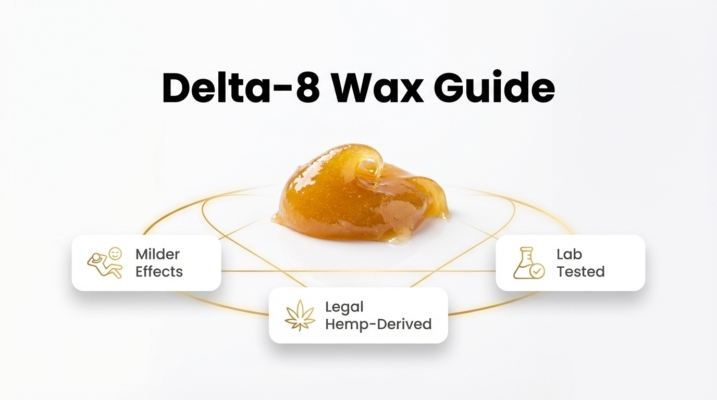
Delta-8 THC wax is a concentrated cannabis extract containing high levels of delta-8-tetrahydrocannabinol in…
Learn more
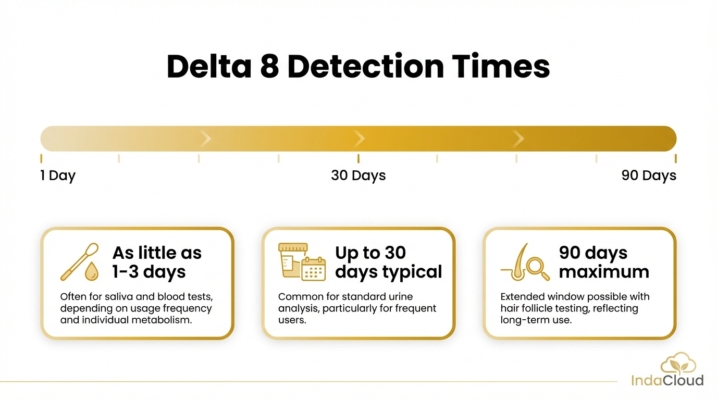
Delta-8 THC is a hemp-derived cannabinoid that stays in your system for as little…
Learn more
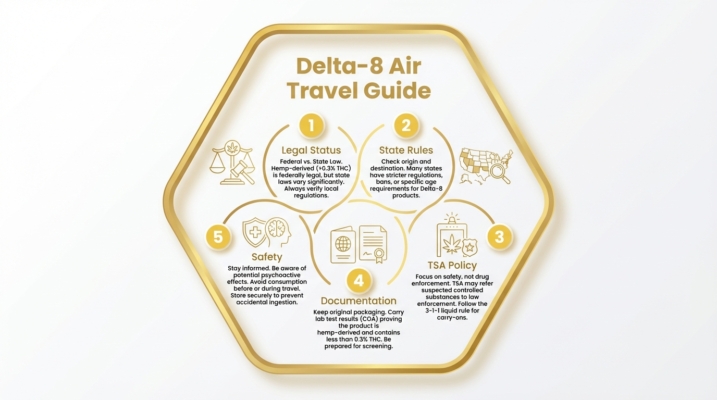
Flying with delta-8 THC in 2026 is a legal gray area shaped by federal…
Learn more





