


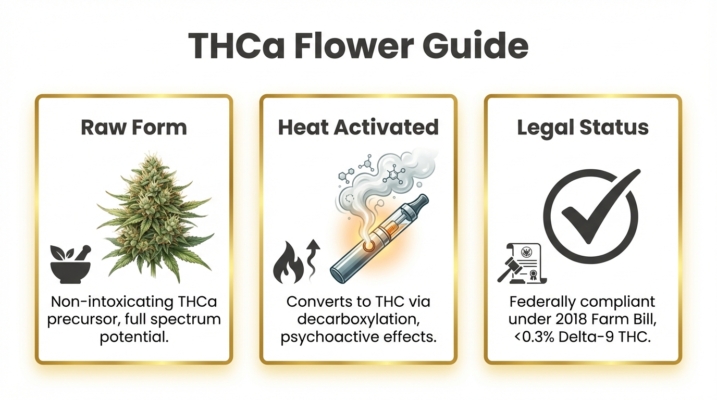
THCA

The Complete Guide to THCa Flower: Benefits, Where to Buy, and More
THCa flower is raw cannabis hemp that contains high concentrations of tetrahydrocannabinolic acid, a…
Learn more
You must be 21+ to enter this site
 FREE SHIPPING $89+
 FREE GIFT ON $120+
 100% FEDERALLY LEGAL
 LAB TESTED FOR PURITY
FREE SHIPPING $89+
FREE GIFT ON $120+
100% FEDERALLY LEGAL
LAB TESTED FOR PURITY
FREE SHIPPING $89+
FREE GIFT ON $120+
100% FEDERALLY LEGAL
LAB TESTED FOR PURITY
FREE SHIPPING $89+
FREE GIFT ON $120+
100% FEDERALLY LEGAL
LAB TESTED FOR PURITY
FREE SHIPPING $89+
FREE GIFT ON $120+
100% FEDERALLY LEGAL
LAB TESTED FOR PURITY
FREE SHIPPING $89+
FREE GIFT ON $120+
100% FEDERALLY LEGAL
LAB TESTED FOR PURITY
FREE SHIPPING $89+
FREE GIFT ON $120+
100% FEDERALLY LEGAL
LAB TESTED FOR PURITY
FREE SHIPPING $89+
FREE GIFT ON $120+
100% FEDERALLY LEGAL
LAB TESTED FOR PURITY
LAB TESTED FOR PURITY
FREE SHIPPING $89+
FREE GIFT ON $120+
100% FEDERALLY LEGAL
LAB TESTED FOR PURITY
FREE SHIPPING $89+
FREE GIFT ON $120+
100% FEDERALLY LEGAL
LAB TESTED FOR PURITY
FREE SHIPPING $89+
FREE GIFT ON $120+
100% FEDERALLY LEGAL
LAB TESTED FOR PURITY
FREE SHIPPING $89+
FREE GIFT ON $120+
100% FEDERALLY LEGAL
LAB TESTED FOR PURITY
FREE SHIPPING $89+
FREE GIFT ON $120+
100% FEDERALLY LEGAL
LAB TESTED FOR PURITY
FREE SHIPPING $89+
FREE GIFT ON $120+
100% FEDERALLY LEGAL
LAB TESTED FOR PURITY
FREE SHIPPING $89+
FREE GIFT ON $120+
100% FEDERALLY LEGAL
LAB TESTED FOR PURITY

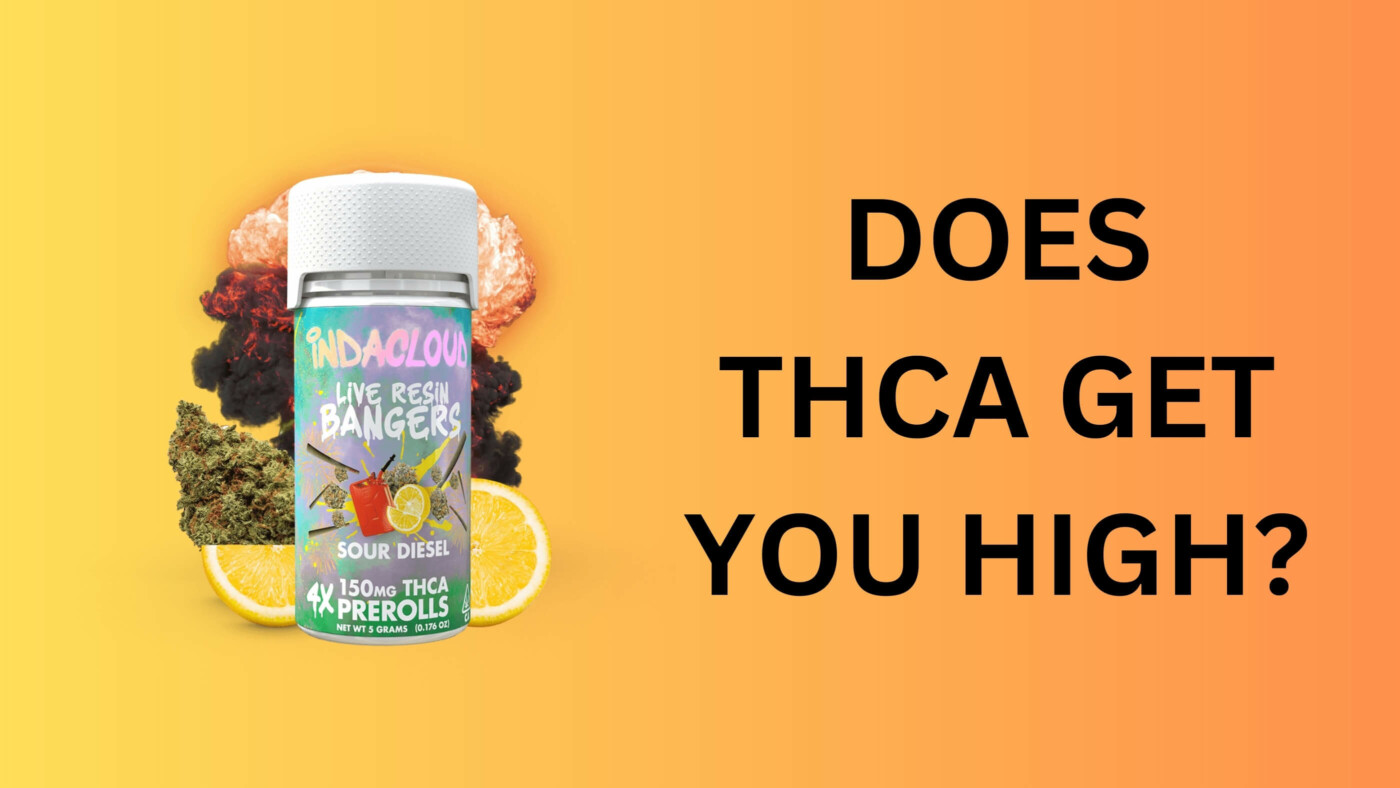
As more people search for “THC-a online” or “THCa near me,” it’s clear that interest in this unique compound is rising. But what exactly is THCa, and does it get you high? This comprehensive guide aims to answer these questions and more, providing you with all the information you need about this fascinating compound.
Don’t forget to check out the THCa products you can buy online here.
THCa, or tetrahydrocannabinolic acid, is found in raw cannabis, specifically in the cannabis flower. It’s one of the many cannabinoids produced by the marijuana plant, but unlike THC (delta 9 THC), it’s not psychoactive. That’s right, despite being a close relative of THC, THCa doesn’t produce the intoxicating effects typically associated with cannabis.
THCa is present in high concentrations in raw cannabis, including hemp flower. It’s the raw form of THC and only converts into the psychoactive compound THC through decarboxylation. This transformation occurs when cannabis is exposed to heat, such as when you smoke or vaporize it.
When you consume THCa, whether by eating raw cannabis or through THCa products available for sale, you won’t experience the psychoactive effects or the “high” that THC is known for. This is because THCa doesn’t directly interact with the cannabinoid receptors in your brain the way THC does.
So, if you’re wondering, “Does THCa get you high?” the answer is no. Consuming THCa, even in its raw form or as THCa carts, won’t produce the same psychoactive effects as consuming THC. However, this doesn’t mean that THCa doesn’t have its own set of benefits.
THCa is the raw form of THC (Delta 9 THC), the psychoactive compound that gives cannabis its intoxicating effects. However, unlike THC, THCa doesn’t produce these psychoactive effects. This is because decarboxylation occurs when cannabis is heated (like when you smoke or vaporize it) and converts THCa into active THC.
Our bodies have a network of receptors known as the endocannabinoid system. THC interacts with this system, specifically binding to cannabinoid receptors, which leads to its psychoactive effects. However, THCa doesn’t interact with these receptors in the same way. This is why consuming THCa, whether by eating raw cannabis or using THCa products, doesn’t produce the same “high” as consuming THC.
The scientific community is studying THCa to understand its potential benefits and how it interacts with our bodies. While research is still in its early stages, preliminary studies suggest that THCa may have several therapeutic benefits, which we’ll explore in the next section.
While THCa may not get you high, it’s believed to have several potential health benefits. Let’s take a closer look at what these might be.
One of the most promising areas of research regarding THCa is its potential anti-inflammatory properties. Inflammation is our body’s natural response to injury or illness. However, chronic inflammation can lead to health problems. THCa’s potential to reduce inflammation could benefit individuals dealing with arthritis or inflammatory bowel disease.
THCa is also being studied for its potential neuroprotective properties. This means it could help protect the brain and nervous system from damage, which could benefit individuals with neurodegenerative diseases like Alzheimer’s or Parkinson’s.
While more research is needed, preliminary studies suggest that THCa may benefit individuals with certain health conditions. For example, it might help reduce nausea and appetite loss in chemotherapy cancer patients. It’s also being studied for its potential to reduce seizures in individuals with epilepsy.
What exactly are THC and THCa, and how do they differ? THC, or delta 9 THC, is the psychoactive compound in cannabis responsible for the intoxicating effects or “high” that the plant is known for. On the other hand, THCa is a non-psychoactive compound found in raw cannabis, including the cannabis flower and hemp flower.
THCa is the raw form of THC, and it’s present in high concentrations in raw cannabis, particularly in strains with a high THCa percentage. However, unlike THC, THCa doesn’t produce psychoactive effects. This is because THCa only converts into active THC through a process called decarboxylation.
Decarboxylation is a process that occurs when cannabis is exposed to heat, such as when you smoke or vaporize it. This process transforms THCa into THC, activating its psychoactive properties. So, if you’re consuming raw cannabis or using THCa products, you won’t experience the same “high” as you would when consuming THC.
While THC and THCa come from the same cannabis plants, their effects on the body can differ due to their chemical structures and interaction with the body’s cannabinoid receptors.
THC is known for its psychoactive effects, including euphoria, relaxation, and altered sensory perception. However, it’s also being studied for potential therapeutic benefits, such as pain relief, appetite stimulation, and reduction of nausea.
While THCa doesn’t produce the intoxicating effects of THC, it’s believed to have several potential health benefits. These include anti-inflammatory properties, which could benefit individuals with arthritis or inflammatory bowel disease. THCa is also being studied for its potential neuroprotective properties that could potentially help protect the brain and nervous system from damage.
When buying THCa, it’s essential to choose a trusted source that guarantees high-quality products. One such source is Indacloud, a leading online store that offers many THCa products, including THCa carts. Whether you’re a seasoned cannabis enthusiast or a newbie looking to explore the world of cannabinoids, Indacloud has something for everyone.
At Indacloud, you can find a wide range of THCa products designed to cater to different preferences and needs. From THCa carts for those who prefer vaping to raw cannabis for those who prefer a more natural approach, there’s a product for every cannabis enthusiast. These products allow you to consume THCa in a more controlled and convenient way, making your cannabis experience more enjoyable and personalized.
One of the standout products available at Indacloud is the Sour Diesel Live Resin Bangers THCa pre-rolls. These pre-rolls are pure THCa joints made from the prevalent Sour Diesel strain, known for its energizing and fast-acting Sativa effects. Each pack contains four pre-roll bangers, each weighing over 1.25 grams.
These Live Resin Bangers take the Sour Diesel strain to the next level, amplifying its effects for an explosive experience. In addition to the potent effects, you can expect the flavor of pure quality diesel flower with a lemony haze scent to back it up in grams. You can also try a 6 grams THCA vape like Indacloud’s Beast Mode 6 Gram THCA Diamond Vape.
There are several ways to consume THCa, each with unique benefits and considerations. Here are a few methods you might consider:
THCa converts into THC through decarboxylation, which occurs when cannabis is exposed to heat. This can happen when you smoke or vaporize cannabis or cook or bake with it. So, if you’re looking to experience the psychoactive effects of THC, you’ll need to heat your cannabis in some way.
If you’re interested in the potential therapeutic benefits of THCa without the psychoactive effects, you might consider incorporating raw THCa into your daily routine. Here are a few tips:
THCa is available in various forms, each with its unique benefits and considerations. Here are a few of the most common forms:
The form in which you consume THCa can influence its effects. For example, when you consume raw cannabis, you get THCa in its most natural state. However, because THCa is not psychoactive, you won’t experience the “high” associated with THC.
On the other hand, if you’re using a THCa cart and vaping, the heat from the vaporizer will cause decarboxylation, converting some of the THCa into THC and potentially producing psychoactive effects.
Cooking with raw cannabis is a unique way to consume THCa. It allows you to incorporate the potential therapeutic benefits of cannabis into your meals in a delicious and nutritious way. Here are a few simple recipes and methods to get you started:
Consuming THCa through food can have several potential benefits. For one, it allows you to experience the potential therapeutic and medical benefits of cannabis without the psychoactive effects. This can be particularly beneficial for those sensitive to THC or who prefer not to experience its psychoactive effects.
However, there are also a few considerations to keep in mind:
The legal status of THCa can vary widely depending on where you live. In some places, THCa is legal because it’s not psychoactive like THC. In others, it’s considered a controlled substance because it’s derived from the cannabis plant. Here are a few key points to understand:
Several factors can influence the legality of THCa. These include:
With the laws surrounding cannabis and THCa constantly changing, staying informed is important. Here are a few ways to do so:
The use of THCa in wellness routines is a relatively new trend, but it’s gaining traction. Here’s why:
Incorporating THCa into your wellness regimen could have several potential benefits. For one, it allows you to experience the potential therapeutic benefits of cannabis in a non-intoxicating form. This can be particularly beneficial for those sensitive to THC or who prefer not to experience its psychoactive effects.
Moreover, because THCa is available in various forms, from raw cannabis to THCa carts, it’s easy to incorporate into your daily routine. Whether you prefer to consume THCa through food, apply it topically, or smoke it, a THCa product is right for you.
THCa is a fascinating compound gaining traction in the wellness world. Whether you’re looking to buy THCa online, are curious about the world of cannabinoids, or are simply interested in the therapeutic potential of cannabis, incorporating THCa into your wellness routine could be a great place to start.
Remember, it’s always essential to research and consult with a healthcare professional before starting any new supplement regimen. And if you’re ready to explore the potential benefits of THCa, why not visit Indacloud to browse a wide range of high-quality THCa products? Happy exploring!
The legality of THCa is a complex issue that varies depending on the region and the source of the compound. In the United States, THCa derived from hemp is federally legal due to the 2018 Farm Bill, which removed hemp from the Controlled Substances Act and allowed for the cultivation, sale, and possession of hemp-derived products. However, THCa derived from marijuana is considered a Schedule I controlled substance at the federal level, despite being legalized for medical or recreational use in some states. This discrepancy is due to the higher THC content in marijuana compared to hemp. It’s important to check local and state laws to understand the specific legal status of THCa in your area.
THCa is not typically detected in standard drug tests, which usually screen for THC, the psychoactive compound in cannabis. However, since THCa can convert into THC in the body, particularly when heated, consuming large amounts of THCa could potentially result in a positive drug test for THC. This is because the process of decarboxylation, which occurs when cannabis is heated, transforms THCa into THC. So, if you are subject to regular drug testing, it’s essential to consider how you consume cannabis and the potential implications.
The decision to smoke or dab THCa is a matter of personal preference and desired effects. Smoking or dabbing THCa will cause it to undergo decarboxylation, converting it into THC and producing psychoactive effects. This can result in the “high” typically associated with cannabis use. However, if you wish to experience the potential benefits of THCa without the psychoactive effects, consuming it in its raw form is recommended. This can be achieved through juicing raw cannabis or consuming raw cannabis-infused products.
High levels of THCa in a cannabis strain can indicate a potent potential for psychoactive effects once the THCa is decarboxylated into THC. However, it’s important to note that THCa itself is not psychoactive. It has been studied for its potential medical and therapeutic benefits, including anti-inflammatory, neuroprotective, and anti-emetic properties. When consumed in its raw form, such as in juices or salads, high-THCa cannabis may contribute to overall wellness without causing a high. This is because the raw form of cannabis allows for the consumption of THCa without the heat-induced conversion to THC. This makes it an appealing option for those who are interested in the potential medical and therapeutic benefits of cannabis but do not wish to experience the psychoactive effects.
While it’s not specifically listed as a controlled substance, THCa is a precursor to THC. However, because THCa is not psychoactive, it’s often treated differently than THC. Laws vary by state and country, so it’s always important to check local regulations. It’s also worth noting that the legal landscape for cannabis and its derivatives is constantly evolving, with new legislation and court rulings potentially changing the status of these substances at any time.
The legal amount of THCa can vary greatly depending on local laws and regulations. In some places, there may be no limit on the amount of THCa that can be possessed, while in others, any amount of cannabis-derived products, including THCa, could be illegal. It’s crucial to check with local laws and regulations to determine the legal amount of THCa in your location. This is particularly important for those considering purchasing or using THCa products, as the penalties for possessing illegal substances can be severe.
A high level of THCa in a cannabis strain typically refers to a significantly above-average concentration. While the specific number can vary, strains with more than 10-15% THCa are often considered high-THCa strains. These strains can produce potent effects once the THCa is converted to THC through decarboxylation, typically heat. However, it’s important to remember that the effects of cannabis can vary widely between individuals, and a strain high in THCa may not necessarily produce more potent effects than a strain with lower levels of THCa.
THCa itself does not produce a high. It’s a non-psychoactive cannabinoid found in raw and live cannabis. However, when heated, THCa undergoes decarboxylation and converts it into THC, the psychoactive compound that causes the characteristic cannabis high. So, while THCa doesn’t cause a high, it’s a precursor to the compound that does. This is an important distinction to understand, as it means that consuming raw cannabis (which contains THCa) will not produce the same effects as consuming heated cannabis (which contains THC).
THCa is non-psychoactive, meaning it doesn’t produce the “high” associated with THC. However, it’s believed to have several potential therapeutic effects. Research, although limited, suggests that THCa may have anti-inflammatory, neuroprotective, and anti-nausea properties. Some people also use THCa for its potential to help with symptoms of conditions like arthritis, neurodegenerative diseases, and autoimmune disorders. It’s also worth noting that while the research on THCa is promising, more studies are needed to fully understand all its effects and potential uses.
The percentage of THCa that is considered high can vary depending on the cannabis strain and the method of consumption. However, a cannabis strain with more than 10-15% THCa is often considered a high concentration. This means the strain has a high potential for psychoactive effects once the THCa is decarboxylated into THC. However, it’s important to remember that the effects of cannabis can vary widely between individuals, and a strain high in THCa may not necessarily produce stronger effects than a strain with lower levels of THCa.
On a drug test, the presence of THCa could indicate recent use of cannabis. However, most standard drug tests are designed to detect the presence of THC, not THCa. Since THCa is a precursor to THC, its presence could suggest that THC might also be in the system, especially if the cannabis was consumed to promote decarboxylation, like smoking or vaping. However, testing protocols and sensitivity can vary, so it’s not a guaranteed indicator. It’s also worth noting that the detection window for cannabis can vary depending on several factors, including the frequency of use, the method of consumption, and individual metabolism.
THCa flower is raw cannabis hemp that contains high concentrations of tetrahydrocannabinolic acid, a…
Learn more
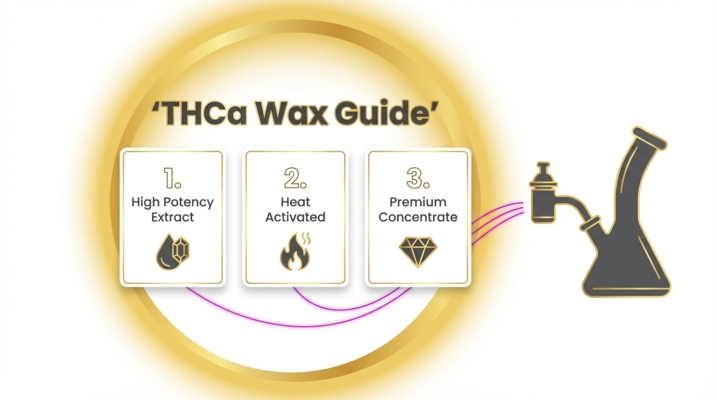
THCa wax is a cannabis concentrate containing high levels of tetrahydrocannabinolic acid in a…
Learn more
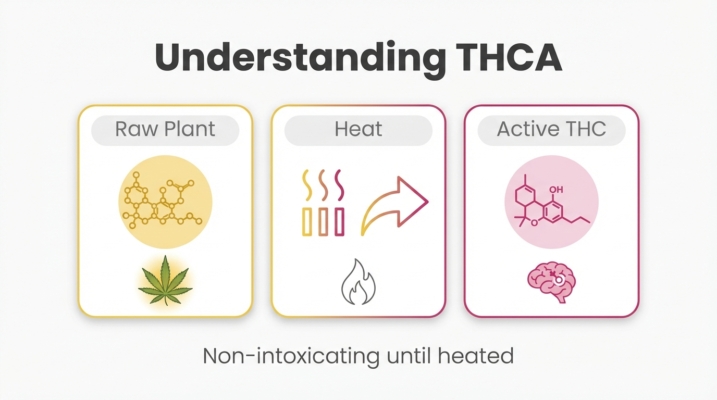
THCA (tetrahydrocannabinolic acid) is a non-intoxicating cannabinoid found naturally in raw cannabis and hemp…
Learn more
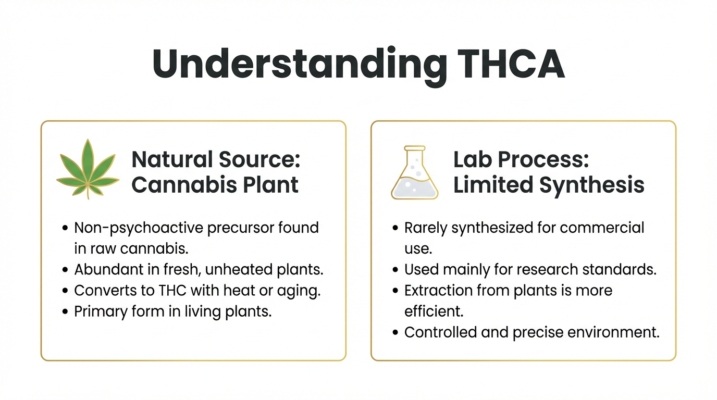
THCA (tetrahydrocannabinolic acid) is a naturally occurring cannabinoid produced by Cannabis sativa plants through…
Learn more





