


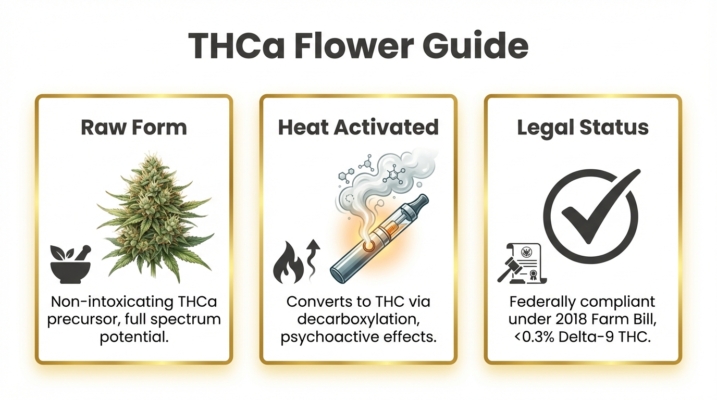
THCA

The Complete Guide to THCa Flower: Benefits, Where to Buy, and More
THCa flower is raw cannabis hemp that contains high concentrations of tetrahydrocannabinolic acid, a…
Learn more
You must be 21+ to enter this site
 FREE SHIPPING $89+
 FREE GIFT ON $120+
 100% FEDERALLY LEGAL
 LAB TESTED FOR PURITY
FREE SHIPPING $89+
FREE GIFT ON $120+
100% FEDERALLY LEGAL
LAB TESTED FOR PURITY
FREE SHIPPING $89+
FREE GIFT ON $120+
100% FEDERALLY LEGAL
LAB TESTED FOR PURITY
FREE SHIPPING $89+
FREE GIFT ON $120+
100% FEDERALLY LEGAL
LAB TESTED FOR PURITY
FREE SHIPPING $89+
FREE GIFT ON $120+
100% FEDERALLY LEGAL
LAB TESTED FOR PURITY
FREE SHIPPING $89+
FREE GIFT ON $120+
100% FEDERALLY LEGAL
LAB TESTED FOR PURITY
FREE SHIPPING $89+
FREE GIFT ON $120+
100% FEDERALLY LEGAL
LAB TESTED FOR PURITY
FREE SHIPPING $89+
FREE GIFT ON $120+
100% FEDERALLY LEGAL
LAB TESTED FOR PURITY
LAB TESTED FOR PURITY
FREE SHIPPING $89+
FREE GIFT ON $120+
100% FEDERALLY LEGAL
LAB TESTED FOR PURITY
FREE SHIPPING $89+
FREE GIFT ON $120+
100% FEDERALLY LEGAL
LAB TESTED FOR PURITY
FREE SHIPPING $89+
FREE GIFT ON $120+
100% FEDERALLY LEGAL
LAB TESTED FOR PURITY
FREE SHIPPING $89+
FREE GIFT ON $120+
100% FEDERALLY LEGAL
LAB TESTED FOR PURITY
FREE SHIPPING $89+
FREE GIFT ON $120+
100% FEDERALLY LEGAL
LAB TESTED FOR PURITY
FREE SHIPPING $89+
FREE GIFT ON $120+
100% FEDERALLY LEGAL
LAB TESTED FOR PURITY
FREE SHIPPING $89+
FREE GIFT ON $120+
100% FEDERALLY LEGAL
LAB TESTED FOR PURITY

What Happens When THCA Is Heated? Unlocking Cannabis Potential
Understanding what happens when THC A is heated sheds light on the mechanisms behind the effects experienced when using cannabis products, particularly those that involve heat application, such as smoking, vaping, or cooking.
When THCa is heated, it transforms into THC, changing its chemical structure and producing various physiological and psychological effects on both the body and mind. This explains what happens when THCa is heated.
When THCA is heated, a chemical process known as decarboxylation occurs, leading to the transformation of the carboxylic acid group present in THCA.
Decarboxylation is a chemical reaction in which a carboxylic acid group is removed from a molecule, resulting in the release of carbon dioxide and the formation of a new compound.
This process is particularly relevant in cannabis chemistry, where it plays a crucial role in activating the psychoactive properties of cannabinoids. Regarding THCA molecules, decarboxylation is the key step that transforms the non-intoxicating THCA into the well-known psychoactive THC.
Heat serves as the primary trigger for decarboxylation, as it provides the energy necessary to break the bonds holding the carboxylic acid group. Without proper heat application, THCA would remain inactive, and the full therapeutic or recreational potential of the cannabis plant would not be realized.
Decarboxylation plays a crucial role in enhancing the medicinal benefits and altering the psychoactive potential of the cannabinoid. This conversion process is essential for activating the full range of benefits that THC offers, including pain relief, appetite stimulation, and mood enhancement. It makes THC more readily absorbed by the body, increasing its bioavailability and overall effectiveness in providing relief for a variety of medical conditions.
Overall, the process has significant implications for both medicinal and recreational cannabis users. Here are some considerations for each:
There are various methods to heat THCA, including smoking, vaping, cooking, dabbing, and infusing, each offering unique ways to activate the compound.
When cannabis is smoked, the plant material undergoes a process where tetrahydrocannabinolic acid is converted to delta-9-tetrahydrocannabinol, the psychoactive compound responsible for the ‘high’ effect.
Through the act of lighting up the cannabis, the dried flowers or leaves are ignited, causing the THCA to decarboxylate and become bioavailable for absorption through inhalation.
Once the cannabinoids are inhaled, they enter the bloodstream and bind to the body’s cannabinoid receptors, leading to various psychoactive and medicinal effects.
Vaping devices, commonly known as vaporizers, come in various forms, from portable pens to advanced desktop models, each offering different temperature control options.
Temperature regulation is crucial in vaping as it determines the efficiency of cannabinoid extraction. By setting the device to the optimal temperature range, typically between 315°F to 440°F, users can ensure that the THCA in cannabis is converted into THC.
Cooking or baking with THCA-infused ingredients involves decarboxylation through heat, creating edibles that provide activated cannabinoids upon consumption.
By infusing oils, butter, or other ingredients with THCA, you can then incorporate these activated compounds into various dishes, from savory meals to sweet treats, offering a range of edible options for consumers to explore.
Dabbing is a method of heating THCA concentrates at high temperatures to produce vapor that is inhaled for immediate cannabinoid effects.
This technique involves using a specialized device called a dab rig, which typically consists of a water pipe, a heating element (often a blowtorch or e-nail), and a piece designed for vaporizing the concentrate. The high-temperature vaporization process quickly converts the THCA into THC, allowing for rapid absorption into the bloodstream.
Dabbing has gained popularity in the cannabis community due to its potency and quick onset of effects, making it a preferred method for experienced users seeking intense highs.
Infusing oils or tinctures with THCA involves the incorporation of the compound into a carrier substance through heating, creating versatile products for consumption.
During this process, THCA is gently heated with the carrier substance, typically an oil or alcohol, to facilitate the infusion. As the mixture is heated, THCA undergoes the decarboxylation process, transforming into the psychoactive THC form, ready for consumption.
The controlled heating ensures efficient integration of the compound, resulting in potent oils or tinctures with desired effects. The versatility of these infused products allows for easy incorporation into various edibles, topicals, or beverages, providing consumers with a range of consumption options.
Heating THCA can unlock a range of potential medicinal benefits, including enhanced pain relief, anti-inflammatory effects, and neuroprotective properties.
Decarboxylation not only boosts the effectiveness of pain management but also amplifies the anti-inflammatory potential of the compound, making it a valuable ally in combating various inflammatory conditions.
The neuroprotective attributes of smoothly heated THCA have shown promise in helping to shield brain cells from damage, offering potential therapeutic implications for neurodegenerative disorders like Alzheimer’s and Parkinson’s.
Heating THCA can increase its psychoactive potential, potentially leading to euphoric effects and mood alterations upon consumption of the activated cannabinoid.
The impact of heating on the psychoactive properties of THCA extends beyond euphoria, influencing mood changes that can vary depending on individual biochemistry and dosage levels. These alterations in mood may include heightened creativity, enhanced sociability, or even feelings of introspection and contemplation.
Heating THCA can pose certain risks and harmful effects, especially if consumed in excessive doses or without proper regulation.
When exposed to high temperatures during the heating process, THCA can undergo a chemical transformation that alters its properties and potential interactions within the body.
This can lead to the production of potentially harmful byproducts, impacting the overall safety of consumption. It is crucial for individuals to be aware of these risks and to approach the consumption of heated THCA with caution and moderation.
Heating THCA can result in unforeseen outcomes, especially when undertaking drug tests, as the conversion to THC may lead to positive results that could have legal ramifications.
Considering the changing landscape of laws around cannabis, unintentional exposure to THC through heating THCA could potentially place individuals in legal jeopardy, even in areas where cannabis use is regulated.
Health concerns come into play when the substance is mishandled, leading to undesirable effects on the body and mind. Responsibility and caution should be exercised to avoid these potential pitfalls.
Related Post:
Understanding what happens when THCA is heated is essential for unlocking the full potential of cannabis products. Through the process of decarboxylation, THCA undergoes a chemical transformation into THC, the compound responsible for the psychoactive effects of cannabis.
Overall, heating THCA opens doors to a lot of possibilities for harnessing the therapeutic potential of cannabis, offering new avenues for exploring its medicinal and recreational applications.
Yes, heating THCA causes it to lose a carboxyl group, which results in the chemical structure changing from an acidic form to a non-acidic form. This process is known as decarboxylation and is essential for activating the psychoactive effects of THC.
The optimal temperature for decarboxylation of THCA is between 220-240 degrees Fahrenheit. This temperature range ensures that the acidic form of the compound is converted into THC without degrading the cannabinoids or other compounds present in the cannabis plant.
Yes, THCA can be decarboxylated without heat through a process called aging. When exposed to air and light, THCA slowly converts into THC over time. However, this process is much slower and less efficient compared to decarboxylation through heat.
If THCA is not decarboxylated, it will remain in its acidic form and will not have psychoactive effects. This is why raw cannabis does not produce the same effects as heated or decarboxylated cannabis. Additionally, THCA has been studied for its potential medicinal benefits, so consuming it in its raw form may still have some therapeutic effects.
Heating THCA does not affect its potency, as the process of decarboxylation only converts the acidic form into THC. However, other factors such as the quality of the cannabis and the duration of heating can impact the potency of the final product.
THCa flower is raw cannabis hemp that contains high concentrations of tetrahydrocannabinolic acid, a…
Learn more
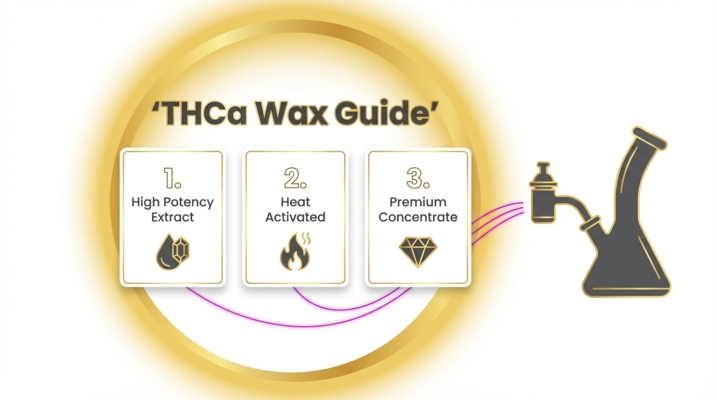
THCa wax is a cannabis concentrate containing high levels of tetrahydrocannabinolic acid in a…
Learn more
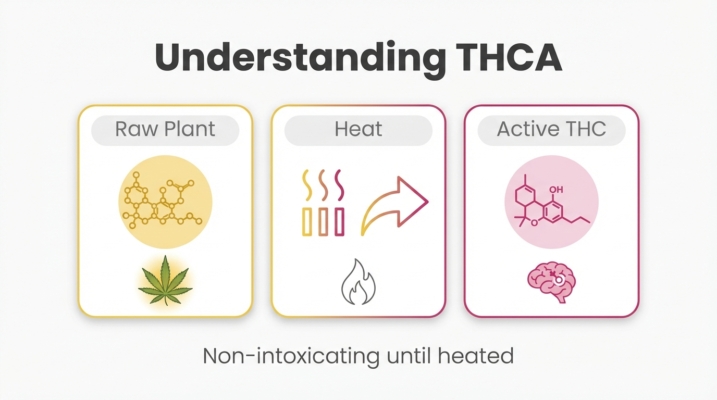
THCA (tetrahydrocannabinolic acid) is a non-intoxicating cannabinoid found naturally in raw cannabis and hemp…
Learn more
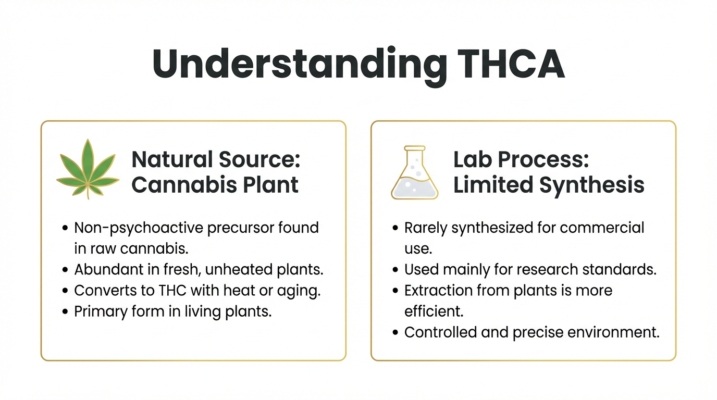
THCA (tetrahydrocannabinolic acid) is a naturally occurring cannabinoid produced by Cannabis sativa plants through…
Learn more





