


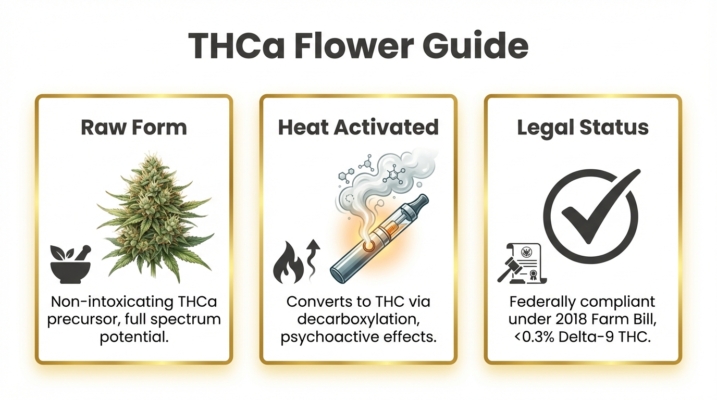
THCA

The Complete Guide to THCa Flower: Benefits, Where to Buy, and More
THCa flower is raw cannabis hemp that contains high concentrations of tetrahydrocannabinolic acid, a…
Learn more
You must be 21+ to enter this site
 FREE SHIPPING $89+
 FREE GIFT ON $120+
 100% FEDERALLY LEGAL
 LAB TESTED FOR PURITY
FREE SHIPPING $89+
FREE GIFT ON $120+
100% FEDERALLY LEGAL
LAB TESTED FOR PURITY
FREE SHIPPING $89+
FREE GIFT ON $120+
100% FEDERALLY LEGAL
LAB TESTED FOR PURITY
FREE SHIPPING $89+
FREE GIFT ON $120+
100% FEDERALLY LEGAL
LAB TESTED FOR PURITY
FREE SHIPPING $89+
FREE GIFT ON $120+
100% FEDERALLY LEGAL
LAB TESTED FOR PURITY
FREE SHIPPING $89+
FREE GIFT ON $120+
100% FEDERALLY LEGAL
LAB TESTED FOR PURITY
FREE SHIPPING $89+
FREE GIFT ON $120+
100% FEDERALLY LEGAL
LAB TESTED FOR PURITY
FREE SHIPPING $89+
FREE GIFT ON $120+
100% FEDERALLY LEGAL
LAB TESTED FOR PURITY
LAB TESTED FOR PURITY
FREE SHIPPING $89+
FREE GIFT ON $120+
100% FEDERALLY LEGAL
LAB TESTED FOR PURITY
FREE SHIPPING $89+
FREE GIFT ON $120+
100% FEDERALLY LEGAL
LAB TESTED FOR PURITY
FREE SHIPPING $89+
FREE GIFT ON $120+
100% FEDERALLY LEGAL
LAB TESTED FOR PURITY
FREE SHIPPING $89+
FREE GIFT ON $120+
100% FEDERALLY LEGAL
LAB TESTED FOR PURITY
FREE SHIPPING $89+
FREE GIFT ON $120+
100% FEDERALLY LEGAL
LAB TESTED FOR PURITY
FREE SHIPPING $89+
FREE GIFT ON $120+
100% FEDERALLY LEGAL
LAB TESTED FOR PURITY
FREE SHIPPING $89+
FREE GIFT ON $120+
100% FEDERALLY LEGAL
LAB TESTED FOR PURITY

What Is THCA Made From? Looking Deeper Into Cannabinoids
Understanding the origins of THCA involves looking into the intricate biochemistry of the cannabis plant. As one of the primary cannabinoids found in cannabis, THC A plays a crucial role in the plant’s therapeutic and psychoactive properties.
To understand what is THCa made from, we need to examine the metabolic pathways inside the cannabis plant that produce this compound. By exploring its precursor molecules and the biosynthetic processes, we can uncover how THCa is formed, revealing the complex mechanisms behind cannabis biology and its possible uses.
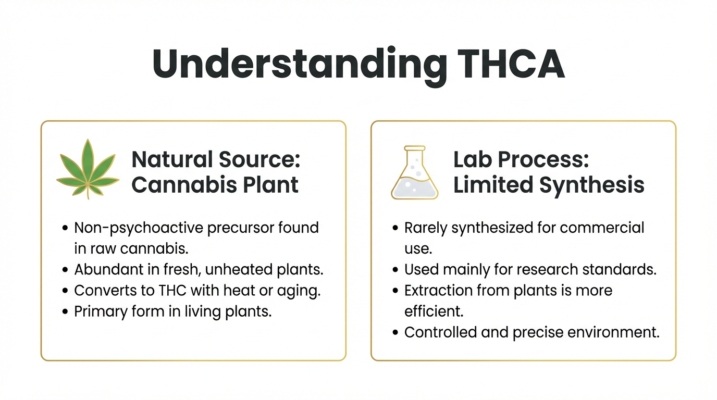
THCA, or tetrahydrocannabinolic acid, is primarily sourced from the cannabis plant, specifically from varieties that contain high levels of this cannabinoid. However, THCA is not exclusive to cannabis. It can also be found in other plant sources such as raw cabbages, broccoli, and hemp seeds.
THCA is found abundantly in cannabis plants, particularly in strains that are bred to have high levels of this cannabinoid.
These variations include popular strains like Purple Punch, Wedding Cake, and Sour Diesel, which are known for their rich THCA content. Cultivators employ specific techniques such as careful temperature control, nutrient management, and optimal lighting conditions to produce cannabis plants with elevated THCA levels. Organic and sustainable cultivation practices contribute to the potency of THCA in these strains, ensuring a high-quality end product.
Botanically speaking, the primary sources for THCA production are trichomes, the resin glands found on the surface of cannabis flowers. These trichomes contain an abundance of cannabinoids including THCA, which is a precursor to THC. By focusing on enhancing the development of trichomes through ideal growing conditions and nutrient uptake, cultivators can maximize the THCA content in their cannabis plants.
Several factors influence the levels of THCA in cannabis, affecting its potency and potential therapeutic effects. Understanding these factors is crucial for growers, researchers, and consumers alike.
THCA extraction is commonly achieved through the use of solvents like ethanol or CO2, resulting in concentrated forms of this cannabinoid. These solvents have the ability to dissolve the THCA within the plant material, allowing for the extraction of the desired compound.
After extraction, the solvent is usually evaporated off, leaving behind a concentrated form of THCA. This concentrated form can then be further refined to create various THCA concentrates, each with different levels of potency and purity.
THCA is available in various forms, each offering unique characteristics and applications for consumers. Understanding the different forms of THCA can help individuals choose the most suitable option for their needs and preferences:
THCA serves multiple purposes, including:
THCA shows promise for medicinal use, with potential benefits in managing various health conditions and diseases.
Known for its anti-inflammatory and neuroprotective properties, THCA has been researched for its potential in helping individuals with conditions such as chronic pain, arthritis, and epilepsy.
Studies suggest that THCA could play a role in reducing nausea and vomiting in chemotherapy patients, providing much-needed relief during treatment. Its antioxidant effects also show promise in protecting cells from damage, potentially benefiting those with neurodegenerative diseases.
When consumed, THCA interacts with the body’s endocannabinoid system, producing a range of effects that can enhance mood, creativity, and sensory perception. Users often report feeling a sense of euphoria and relaxation, making it a popular choice for recreational purposes. These experiences can vary from person to person, with some users enjoying a feeling of heightened awareness and others experiencing increased sociability and openness.
The recreational use of THCA is also known to enhance sensory experiences such as music and art appreciation, as well as intensifying flavors and aromas of food. It can contribute to a profound sense of relaxation and well-being, allowing users to unwind and enjoy moments of leisure in a unique way.
THCA boasts a range of benefits, including anti-inflammatory properties, potential relief from nausea, and neuroprotective effects.
One of the main ways THCA demonstrates its anti-inflammatory effects is through its interaction with the body’s endocannabinoid system. When consumed, THCA can bind to receptors in the endocannabinoid system, such as CB2 receptors, which play a key role in regulating inflammation.
By modulating these receptors, THCA can help reduce the production of pro-inflammatory molecules, thereby mitigating inflammatory responses in the body. This mechanism makes THCA particularly promising for conditions like arthritis, Crohn’s disease, and other inflammatory disorders.
Research suggests that THCA interacts with the endocannabinoid system to help regulate nausea and vomiting responses in the body. When ingested, THCA can be metabolized into THC, which then binds to CB1 receptors in the brain, influencing neurotransmitters that control these symptoms.
Patients have reported relief from chemotherapy-induced nausea by using THCA edibles or tinctures. Other common ingestion routes for THCA include sublingual administration for faster effects and oral capsules for slower but prolonged relief. The versatility in administration methods offers patients options based on their preferences and needs.
When THCA interacts with the body’s endocannabinoid system, it may help regulate pain signaling pathways, resulting in reduced discomfort. Its anti-inflammatory effects can contribute to alleviating pain associated with conditions such as arthritis or migraines.
The presence of terpenes, aromatic compounds found in cannabis, can further enhance the analgesic properties of THCA. Certain terpenes like myrcene, limonene, or beta-caryophyllene have been shown to have potential pain-relieving effects when combined with cannabinoids.
Research suggests that THCA may play a critical role in reducing inflammation and oxidative stress in the brain, which are linked to neurodegenerative diseases.
The activation of THCA receptors in the brain can regulate neurotransmitter release and synaptic plasticity, contributing to overall brain function and cognitive abilities.
Studies have also shown that THCA has anti-seizure properties, making it a promising therapeutic agent for managing epilepsy and other seizure disorders.
While THCA offers numerous benefits, there are considerations to be aware of, such as the possibility of triggering a positive drug test and potential risks for pregnant or breastfeeding women.
THCA consumption can lead to a positive result on a drug test due to its association with THC, raising considerations under the Controlled Substances Act.
When individuals consume products containing THCA, especially in states where cannabis is legal, they may not be aware of the potential implications on their drug test results. It is essential to understand that THCA is the precursor to THC, the psychoactive component of cannabis that is screened for in drug tests. This means that even though THCA itself is non-intoxicating, its presence can still trigger a positive result in drug screenings.
The safety of THCA for pregnant or breastfeeding women is a crucial consideration due to potential effects on maternal health and fetal development.
Research has highlighted various risks associated with the use of THCA during pregnancy and breastfeeding. Exposure to THCA could potentially impact the developing fetus, leading to complications in growth and cognitive development. There are concerns regarding the transmission of THCA compounds through breast milk, which could pose risks to the infant’s health.
Healthcare professionals often advise pregnant and breastfeeding women to exercise caution when considering THCA consumption. It is recommended to consult with a healthcare provider to fully understand the potential risks and benefits, and to explore alternative approaches to managing symptoms or conditions without the use of THCA.
Consuming THCA may entail certain risks, especially if not used responsibly or in excessive amounts. Understanding these potential risks is essential for informed consumption.
Related Post:
Understanding what THCA is made from involves delving into the intricate biochemistry of the cannabis plant. As one of the primary cannabinoids found in cannabis, THCA plays a vital role in the plant’s therapeutic and psychoactive properties.
From its origins in the trichomes of cannabis plants to its extraction methods and diverse forms, THCA offers a range of potential benefits for medicinal and recreational use. By staying informed and exercising caution, individuals can make informed decisions about incorporating THCA into their wellness routines.
THCA is made through a process called decarboxylation, which occurs when cannabis is exposed to heat and light. This process converts THCA into THC, making the cannabis plant psychoactive.
No, THCA is also found in other plants such as sage and oregano. However, it is most abundant in cannabis plants and is the compound responsible for the psychoactive effects of consuming cannabis.
THCA and THC are two different compounds found in the cannabis plant. THCA is the precursor to THC, and has no psychoactive effects. Once THCA is exposed to heat and light, it is converted into THC, which is responsible for the psychoactive effects.
Yes, THCA can be consumed in its raw form by juicing or blending fresh cannabis leaves. However, due to its non-psychoactive properties, it is not commonly consumed for recreational purposes.
The legal status of THCA varies depending on local regulations and jurisdictional laws. In many regions, THCA derived from hemp plants with low THC content (below 0.3% THC) is legal under certain conditions, particularly in areas where hemp cultivation and the sale of hemp-derived products are permitted.
However, the legality of THCA extracted from marijuana plants, which typically have higher THC concentrations, may be subject to stricter regulations and may not be legal in all jurisdictions.
THCa flower is raw cannabis hemp that contains high concentrations of tetrahydrocannabinolic acid, a…
Learn more
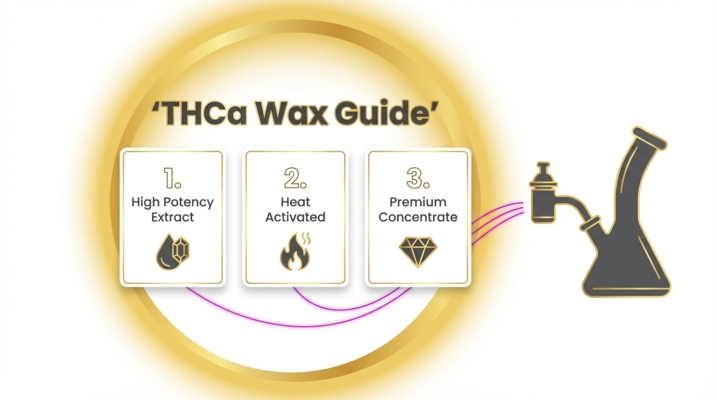
THCa wax is a cannabis concentrate containing high levels of tetrahydrocannabinolic acid in a…
Learn more
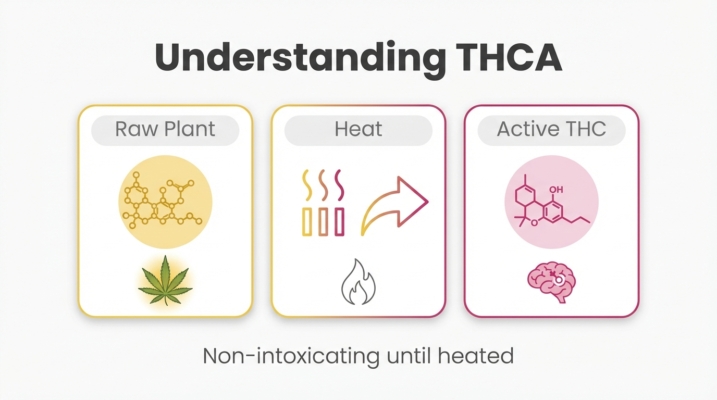
THCA (tetrahydrocannabinolic acid) is a non-intoxicating cannabinoid found naturally in raw cannabis and hemp…
Learn more
THCA (tetrahydrocannabinolic acid) is a naturally occurring cannabinoid produced by Cannabis sativa plants through…
Learn more





